Find the Perfect Lab Grown Diamond Engagement Ring to Celebrate Your Distinct Love Trip
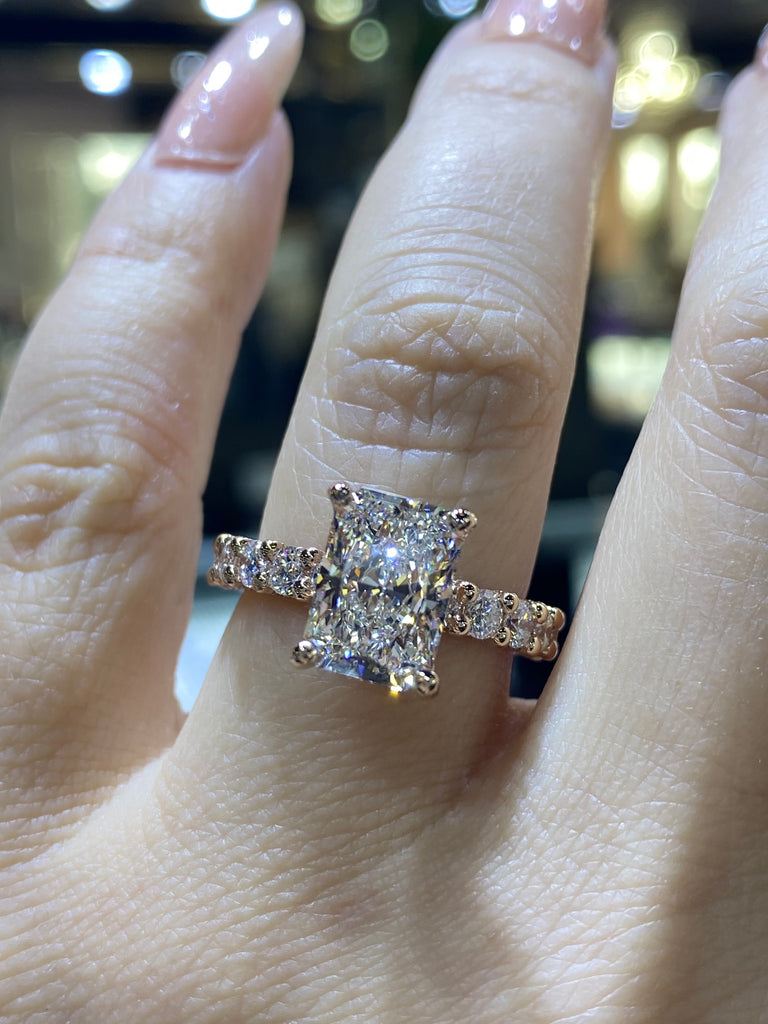
Locating the optimal lab-grown diamond engagement ring is an important action in marking a couple's distinct love trip. These rubies use the same brilliance as extracted stones, with moral sourcing and price. Understanding the different alternatives readily available, from forms to modification, can help pairs pick a ring that truly reflects their connection. The process can be both interesting and overwhelming, motivating a more detailed look at what makes these rubies stand apart.
Comprehending Lab-Grown Diamonds: What Makes Them Unique
While many individuals associate diamonds with all-natural formations over numerous years, lab-grown diamonds offer a remarkable option that preserves the exact same physical and chemical buildings as their extracted equivalents. Produced through sophisticated technological procedures, these rubies are formed in weeks as opposed to eons. Making use of methods such as High Stress Heat (HPHT) or Chemical Vapor Deposition (CVD), lab-grown rubies exhibit similar solidity, radiance, and refractive top qualities. On top of that, they are usually much more morally sourced and eco-friendly, addressing worries related to traditional diamond mining. Lab-grown diamonds also tend to be a lot more affordable, supplying consumers with a broader range of choices for their engagement rings (lab grown diamond engagement rings). Their unique qualities make them an appealing option for pairs seeking appeal and sustainability in their symbol of love
Selecting the Right Forming and Style for Your Engagement Ring

Setting a Spending Plan: Finding the Perfect Equilibrium
Setting a budget plan for an engagement ring is important, as it assures that the couple can discover a piece that lines up with their financial circumstance without compromising high quality or design. Establishing a clear budget permits pairs to limit their options and concentrate on what truly matters. This procedure involves taking into consideration not just the expense of the diamond yet also the setting and any added attributes. When figuring out a proper price variety, couples must take into account their financial savings, regular monthly expenses, and future monetary goals. By establishing a budget plan, they can explore different designs and setups, guaranteeing they locate a lab-grown diamond engagement ring that shows their love while remaining economically accountable. Stabilizing desire and functionality is type in this trip.
Modification Options: Designing a Ring That Informs Your Story
Having established a budget, pairs can now discover the interesting world of modification choices for their engagement ring. Personalization enables a special expression of their romance. They can select from numerous designs, including jewelry, halo, or vintage setups, each reflecting various looks. Selecting the steel-- such as white gold, yellow gold, or increased gold-- includes an additional layer of uniqueness. Couples might additionally think about different diamond shapes, like round, princess, or emerald cut, relying on their choices. Furthermore, engraving messages or icons on the band can develop a long lasting memory. Ultimately, these modification choices equip pairs to make a ring that not just showcases their love yet additionally captures their common journey and distinctive individualities.
Caring for Your Lab-Grown Diamond Engagement Ring
Appropriate treatment is important for keeping the beauty and radiance of a lab-grown diamond read this engagement ring (lab grown diamond engagement rings). Normal cleansing can enhance its shimmer; a mild service of cozy water and light soap is suggested. Making use of a soft brush, one can eliminate dust and oils collected on the diamond and setup. It is essential to avoid unpleasant products and harsh chemicals, as these can damage the ring's surface. Furthermore, keeping the ring in a fabric-lined box can stop scratches and tangles with other fashion jewelry. Routine specialist evaluations can assist wear or recognize loose rocks, ensuring longevity. By following these care guidelines, one can preserve the ring's luster, making it a lasting symbol of love
Regularly Asked Inquiries
Are Lab-Grown Diamonds Ecologically pleasant and morally sourced?
Lab-grown diamonds are typically thought about morally sourced and eco-friendly. They are created utilizing sustainable methods that decrease eco-friendly influence, preventing the ethical concerns often linked with typical diamond mining, making them an accountable choice for customers.
Exactly How Do Lab-Grown Diamonds Contrast to Natural Diamonds in Worth?
What Is the Life-span of a Lab-Grown Diamond?
Lab-grown rubies are created to last forever, comparable to natural diamonds. Their durability warranties they can endure daily wear, Read Full Article maintaining their radiance and clarity in time, making them a long-term icon of dedication and love.
Can Lab-Grown Diamonds Be Re-Cut or Resized Conveniently?
Lab-grown rubies can be re-cut or resized, comparable to all-natural rubies (lab grown diamond engagement rings). Specialist jewelers possess the essential tools and skills to adjust these diamonds, guaranteeing they preserve their luster and integrity throughout the process
Do Lab-Grown Diamonds Have Any Resale Value?
Lab-grown rubies generally have reduced resale worths contrasted to natural rubies because of market perception and need. Their worth can vary based on high quality, accreditation, and existing fads in the jewelry market.
While several people connect rubies with all-natural formations over millions of years, lab-grown diamonds offer an interesting alternative Read More Here that retains the exact same physical and chemical properties as their extracted equivalents. Lab-grown rubies generally set you back 20-40% much less than natural rubies, providing similar top quality and appearance. Lab-grown diamonds are developed to last forever, similar to natural rubies. Lab-grown rubies can be re-cut or resized, similar to natural rubies. Lab-grown rubies usually have reduced resale worths compared to natural rubies due to market understanding and need.